

What it is for
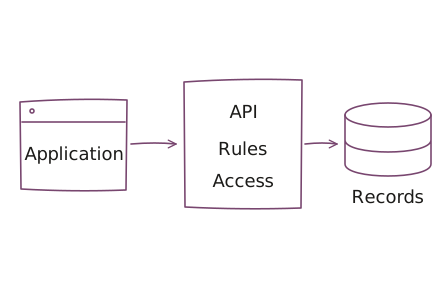
.NET provides a framework and runtime for application code, including web services and APIs. It can carry business rules and integrations behind a product interface.
Where it fits in UCS delivery
In UCS product engineering, .NET fits backend services, data access, and connections between applications. Scope the records each service can change, the rules it enforces, and what happens when a dependency fails.
For an existing application, agree on the supported runtime, integration boundaries, and release checks before changing behavior. A framework choice alone does not settle hosting or ongoing support.
Devices and integrations
It often fits work around the Microsoft ecosystem. See our Microsoft delivery for related application and integration services. .NET can also run outside that ecosystem. Choose hosting and integrations around the application’s requirements.
Choose .NET around the workflow
Choose .NET when business rules, APIs, and integration behavior need application code, particularly around an existing .NET system. Confirm runtime constraints, records the service may change, and the team that will maintain it.
If an existing platform configuration or approval workflow covers the need, assess that before adding a custom service. Compare Microsoft application delivery for that path. For a bounded data-preparation job, Python may be worth assessing. Neither comparison justifies rewriting a working service without a concrete gap.
Before implementation, the technical owner and UCS should agree on an API or workflow acceptance example, failed-dependency behavior, release checks, and hosting responsibility. Your business owner must settle any ambiguous rule the code will enforce.
Work with UCS
Use product engineering for application design, implementation, and release. Choose forward-deployed engineering when the service needs to be built alongside users and the systems it connects.
Questions before we start
When is .NET a useful choice?
.NET fits APIs, application services, and business integrations when the workflow needs custom code. Review the existing runtime, data access, business rules, and maintaining team first. A framework choice does not settle hosting or support responsibility.
When should we use a platform workflow or Python instead?
A .NET service may be unnecessary when an existing platform configuration covers the business workflow. Python is another option for a bounded data-preparation or integration job. Compare the actual requirements and existing maintenance skills before introducing or replacing a service.
Does .NET require Microsoft hosting?
.NET does not require Microsoft hosting. Select the runtime environment around application requirements, existing systems, and operating constraints, with deployment and integration checks agreed for that environment.
Who owns .NET release and maintenance decisions?
.NET delivery needs a technical owner for runtime and dependency changes, integration checks, and release acceptance. The business owner defines the rules the service enforces. Agree on hosting, failure response, and any ongoing UCS support before release.
Bring the application constraints
Bring the API or business workflow, current runtime and hosting, connected systems, and sanitized request and response examples. Include the technical decision owner and the business owner who can approve rule changes. Share sanitized examples or diagrams; do not send credentials, confidential source dumps, or customer datasets.