


What it is for
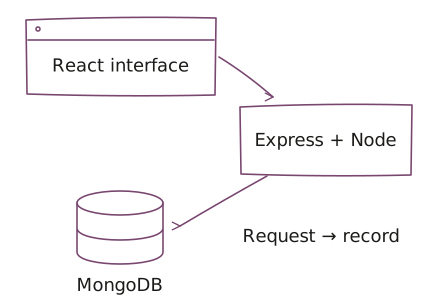
MERN combines MongoDB for data, Express for server routing, React for interfaces, and Node.js for the server runtime. These parts support a web application from the screen to the stored record.
Where it fits in UCS delivery
In UCS product engineering, this stack fits browser-based workflows with forms, application APIs, and shared records. Define the user actions, access rules, and data model together so the interface and backend enforce the same behavior.
The stack does not choose the right data model for you. Review relationships between records, validation, query needs, and existing dependencies before committing to the full combination.
Devices and integrations
MERN can serve users across vendor ecosystems. It does not require a particular cloud provider. Use the Platforms overview when the application also needs to connect with an established ecosystem.
Choose MERN around the workflow
Choose MERN when the scope joins a browser interface, APIs, and application records, and the proposed data model supports the workflow. Confirm relationships, validation, access rules, and query needs before committing to the full combination.
A content-only site, existing platform form, or small configuration change may not need a custom application stack. Compare Laravel / PHP or .NET when an existing backend and maintaining team favor those paths. Do not replace a working database solely to adopt the MERN label.
Your product owner should define an end-to-end user task and its error states. The technical owner and UCS agree on permission checks at the API, data validation, release checks, and responsibility for database and dependency changes. A working screen alone is not acceptance of the complete workflow.
Work with UCS
Use product engineering to carry a web workflow through design, implementation, and release. Choose forward-deployed engineering when the team needs to work closely with users and existing systems.
Questions before we start
When does MERN development fit?
MERN development fits browser workflows that need an interface, APIs, and shared application records. Check record relationships, queries, validation, and permissions before choosing the full stack. The stack does not establish the right data model by itself.
When should we choose a simpler approach or another backend?
A MERN application may be unnecessary for a content-only site, a configured form, or a bounded change to an existing system. Laravel / PHP or .NET may fit an established backend better. Compare workflow needs and maintenance skills before introducing another stack.
Does adopting MERN require replacing existing data storage?
A MERN stack choice should not force replacement of working data storage without an application requirement. Review existing records, interfaces, query needs, and migration risks first; any database change needs a separate acceptance and release plan.
Who maintains a MERN application?
A MERN application needs agreed owners for the browser interface, APIs, database, dependencies, and release checks. Product acceptance must cover the complete user task and error handling. Ongoing maintenance and failure response are separately scoped responsibilities.
Bring the application constraints
Bring the user journey, existing interface and backend, record relationships, and sanitized examples of validation and permission rules. Include the product decision owner and the technical owner responsible for the data model. Share sanitized examples or diagrams; do not send credentials, confidential source dumps, or customer datasets.