

A fractional leader connects priorities and technical decisions to the team doing the work. The leadership remit is explicit.
Fractional X is UCS’s model for part-time senior product and engineering leadership: a fractional CTO, CPO, Head of Engineering, or AI lead. It serves teams that need clear decision ownership without a full-time appointment. Use it when strategy, architecture, priorities, or hiring standards need an accountable leader connected to execution.
Connect the roadmap to technical decisions
A fractional CTO aligns product goals with architecture, technology choices, and delivery milestones.
Start with the product, users, and business constraints. Review which decisions can wait, which create lasting dependencies, and which need an owner now.
Help the team execute the direction
Mentoring, hiring criteria, and delivery practices belong alongside the roadmap. The leader helps product, engineering, and business teams work from the same priorities, reviews progress, and makes reliability, security, and performance part of growth planning.
Prepare for technical due diligence
When a funding round or investor review creates a technical workstream, the remit can include architecture explanations, technology risks, and the execution plan. Agree on the material needed and who will answer technical questions; this is preparation, not a promise of funding.
For what to fix and what to disclose, see the technical due diligence readiness guide.
How UCS engages
Begin with discovery, then define the roadmap and decision remit.
Agree on availability, review meetings, expected outputs, and the relationship with your existing team. Revisit the remit as the company moves from Build into Scale or needs modernization in Evolve.
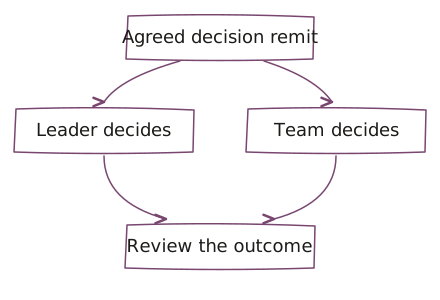
Make the working arrangement specific: which decisions need the leader, what the team can decide independently, and how urgent questions are handled between reviews. A review can connect a roadmap choice to its technical tradeoffs, an owner, and the next delivery check. Agree on the cadence around those needs rather than assuming a fixed weekly schedule.
Choose the responsibility
- CTO: technology strategy, architecture, risk, and investment decisions.
- CPO: product direction, discovery, prioritization, and outcome reviews.
- Head of Engineering: delivery practices, team design, quality, engineering management, and rolling out AI coding agents.
- AI lead: use-case selection, evaluation, data boundaries, and production readiness.
Fractional leadership vs. delivery capacity
A fractional leader owns decisions within an agreed remit. An agency or FDE engagement supplies implementation; a dedicated team provides sustained capacity. Scope those responsibilities separately when combining them.
If priorities are clear but work is waiting for engineers, leadership alone will not remove that bottleneck. Use product engineering to define the implementation scope, then choose embedded delivery or sustained team capacity. Fractional X can connect to UCS delivery when needed, with capacity, responsibilities, and commercial terms agreed separately.
Move toward a full-time appointment when the role needs daily internal leadership. Document the decisions and context the incoming leader will inherit. See when a fractional CTO engagement should end for the other reasons to close or change a remit.
Compare fractional CTO and full-time leadership by decision volume, availability, and transition needs, compare a fractional CTO with a Forward Deployed Engineer, or compare a fractional CTO with a technical consultant.
Questions before we start
How does Fractional X differ from a fractional CTO?
A fractional CTO is one role within Fractional X. UCS also offers part-time CPO, Head of Engineering, and AI leadership. Choose the role around the decisions that need an owner. To separate the CTO and Head of Engineering remits, compare a fractional CTO with a fractional VP of Engineering.
How does a fractional leader differ from an agency or FDE?
A fractional leader owns agreed decisions; an FDE or agency delivery team implements the work. UCS can connect leadership and delivery, with explicit responsibilities and decision rights for each.
What does the leader do week to week?
A fractional leader’s work may include architecture and roadmap decisions, delivery reviews, hiring standards, or AI evaluations. Agree on the decisions and outputs needed, review frequency, availability between meetings, and who handles urgent questions. The cadence depends on the remit and your team; there is no assumed weekly schedule.
How are hours and retainers structured?
Fractional leadership hours and retainers reflect agreed availability, review frequency, response expectations, and outputs. Implementation capacity is scoped separately; a fractional leader does not come with an unlimited delivery team.
When should we hire a full-time leader?
Hire a full-time leader when decision volume, people management, and daily availability require continuous internal ownership. Define the role and transfer decisions and context to the incoming leader. If daily leadership can’t wait for a hire, compare fractional and interim CTOs.